Amplifyhervoice and Bookmorewomen took a close look at this year’s festival line-ups in the US and Canada.
Read More
Amplifyhervoice and Bookmorewomen took a close look at this year’s festival line-ups in the US and Canada.
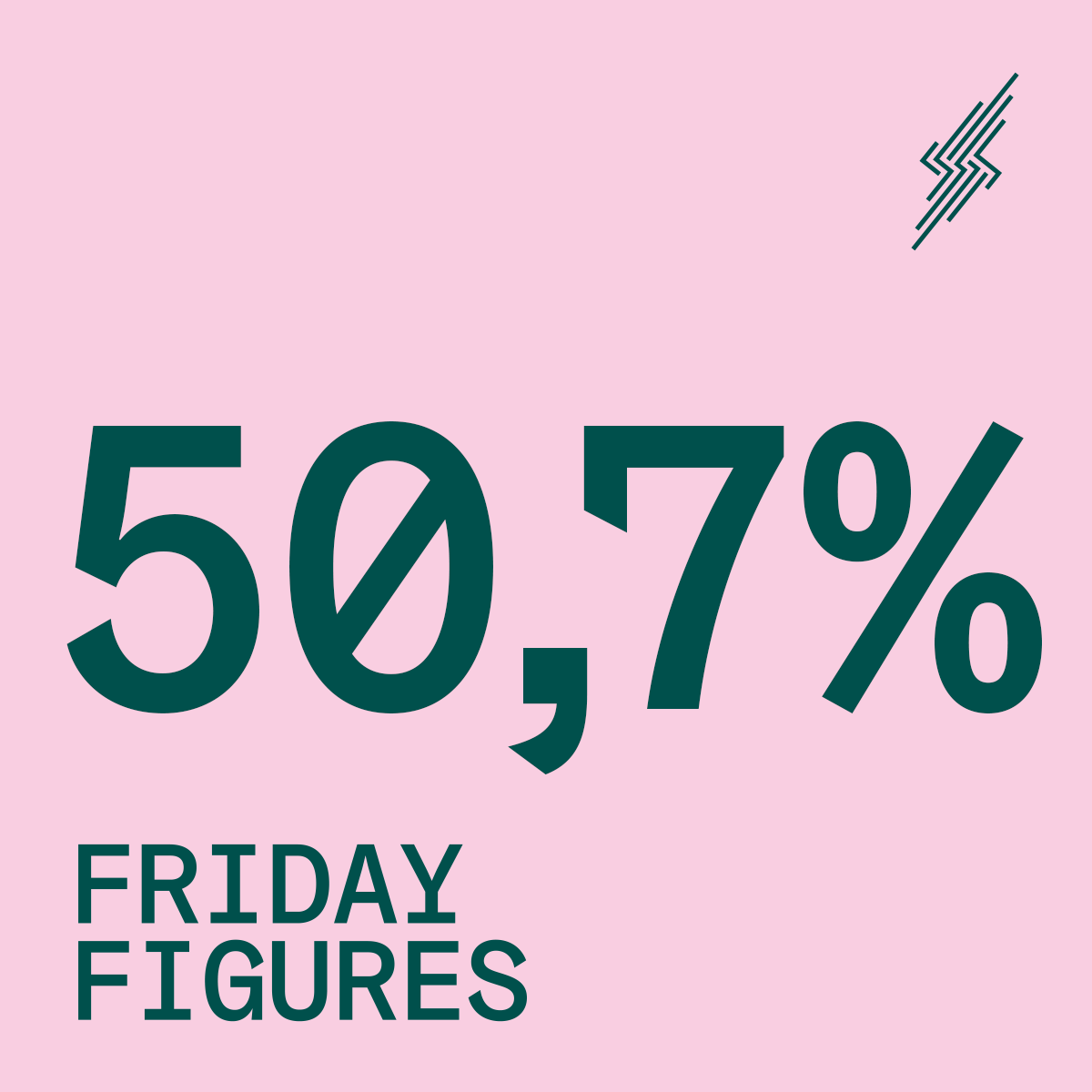
Read MoreThe Keychange Pledge report shows that most signatories met the 50% gender balance target in 2023 and 2024, while 2025 saw fewer due to a new option to report partial success. The findings are based on annual surveys submitted after each event or reporting period.
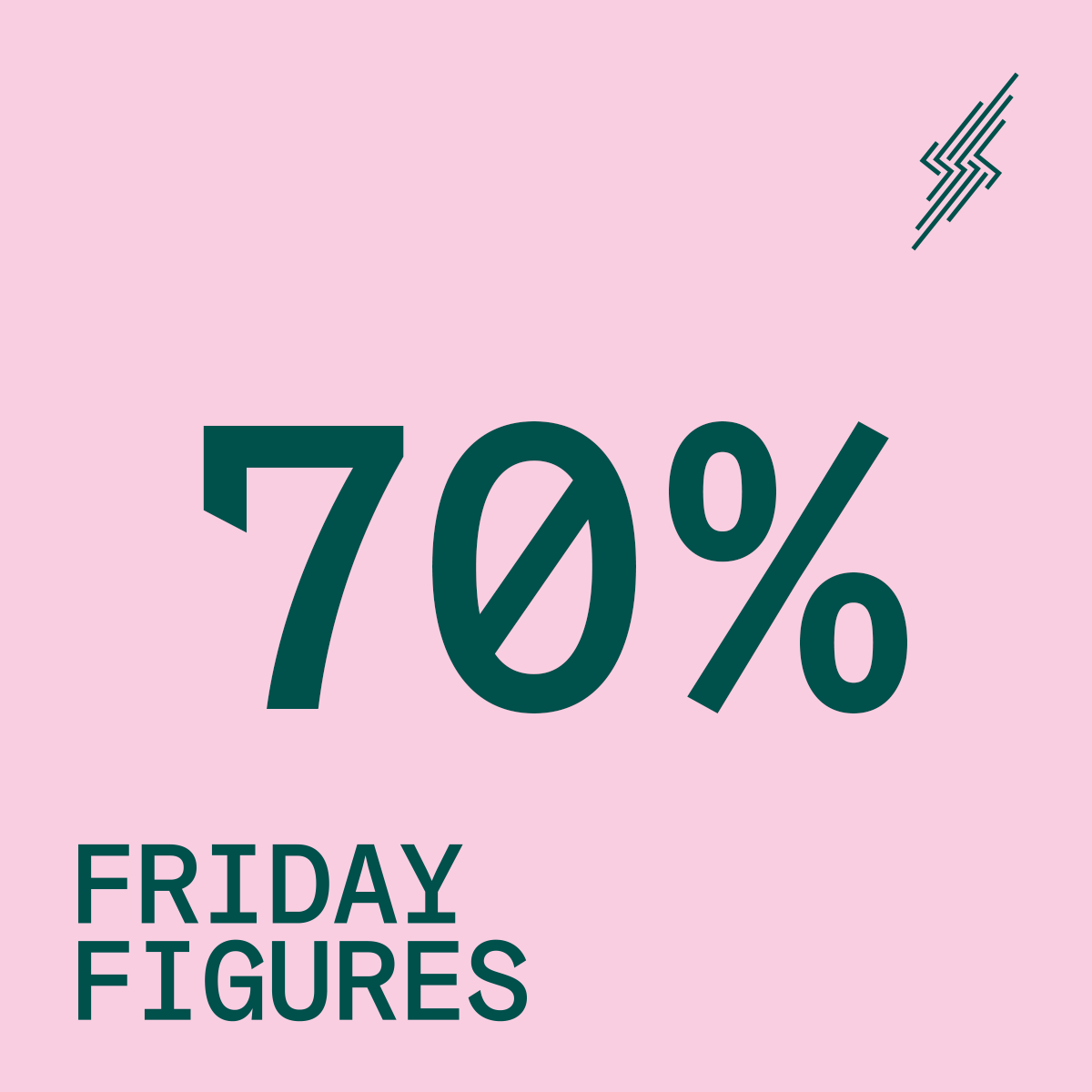
Read MoreIn light of the upcoming Brit Awards (28.02), let's take a closer look at this year's nominations: There has been consternation in previous years at how male-dominated the Brit awards could be, including as recently as 2023 when all the artist of the year nominees were men. But this year, 70% of nominees are female or non-binary, or mixed-gender groups.
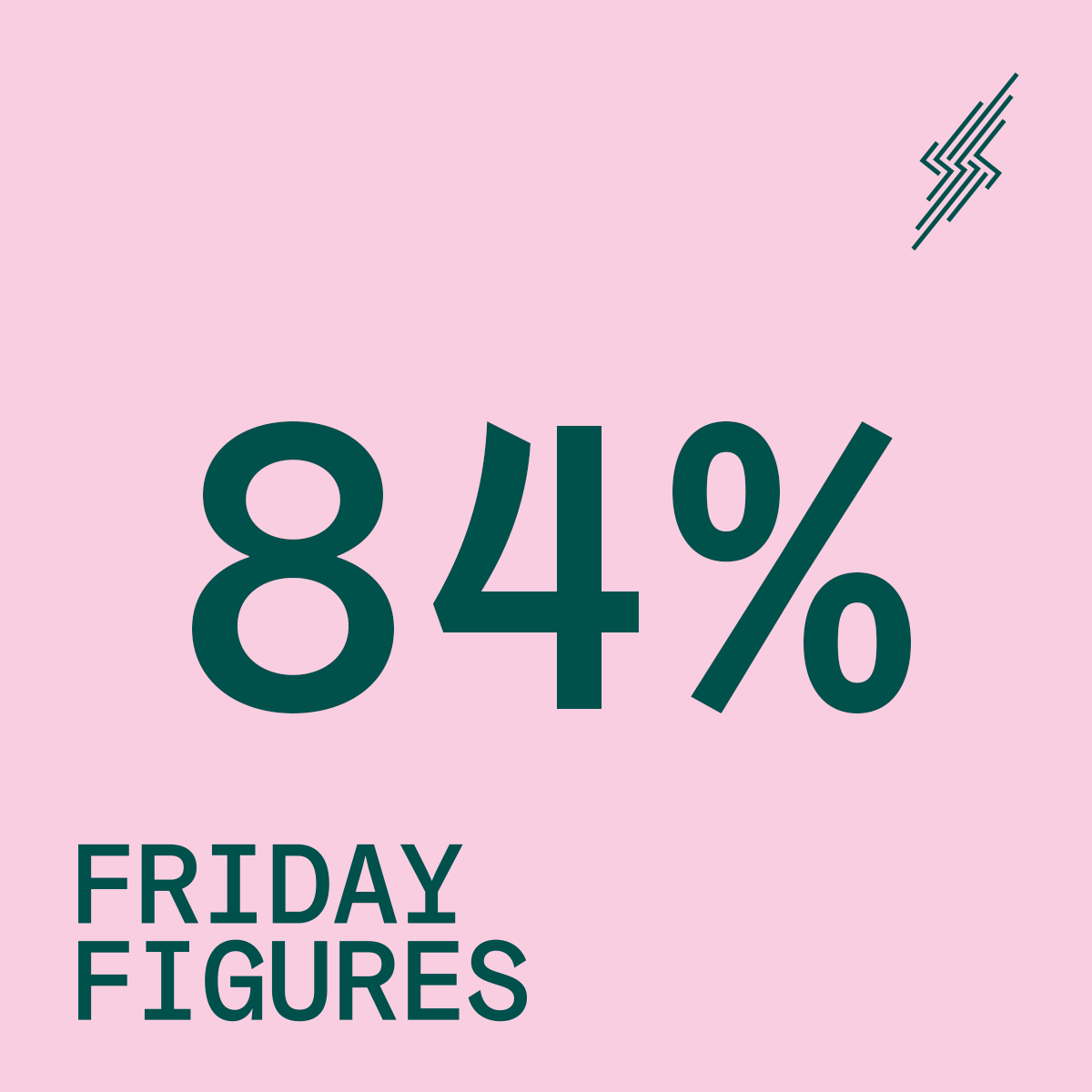
Read MoreAccording to 2025 TIDE data, 84% of respondents said their organisation had a DEI strategy in place. Similarly, our research shows that 89% of leaders report having some form of DEI strategy in place (to varying degrees).
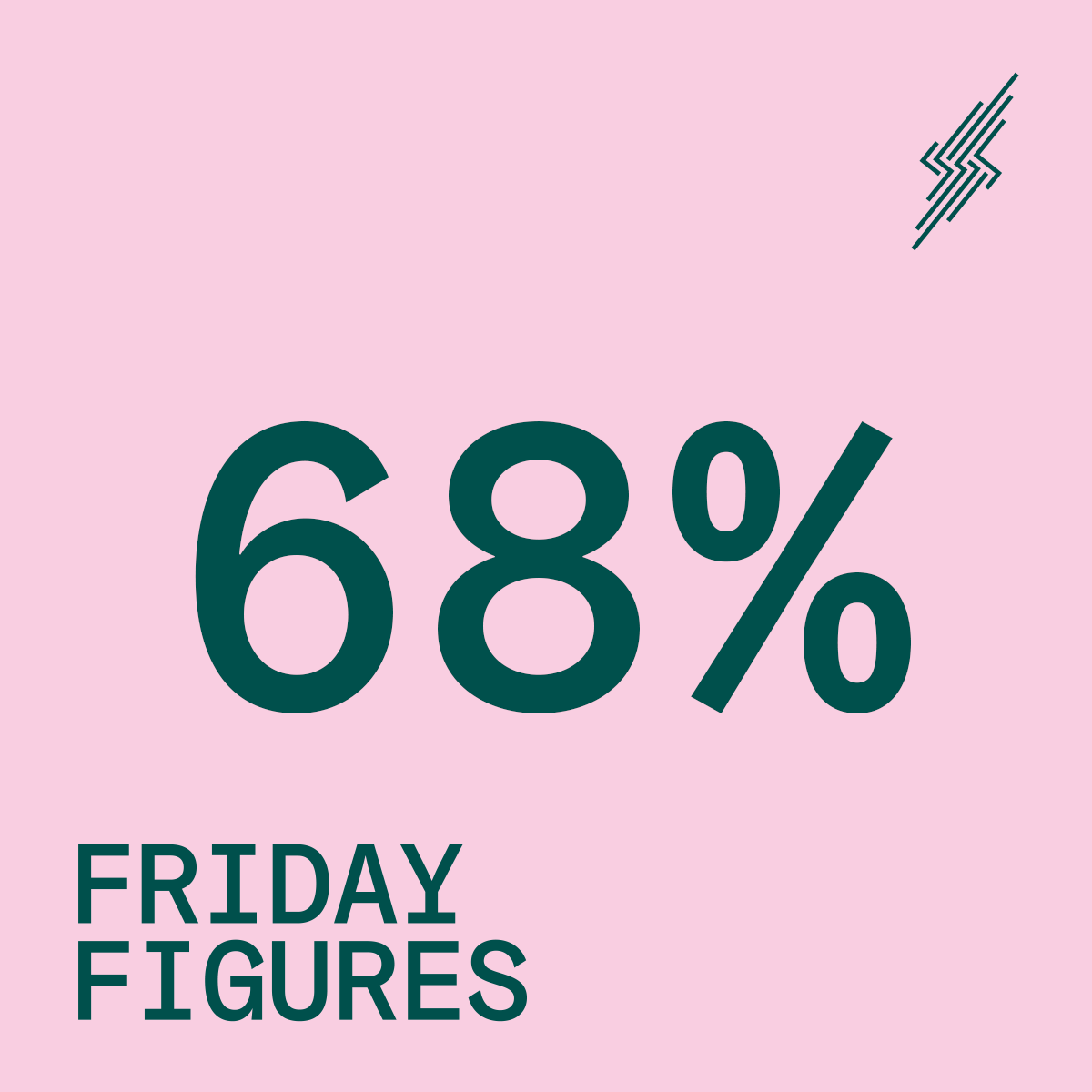
Read MoreThe analysis examined 78 Christmas-related songs from the UK Spotify Top 200 during Christmas week 2016, using streaming data to reflect contemporary listening behavior and analyzing musical, vocal, and lyrical features.
It found that 68% of the songs featured male vocals, 24% female vocals, and the remainder were instrumentals or group vocals.
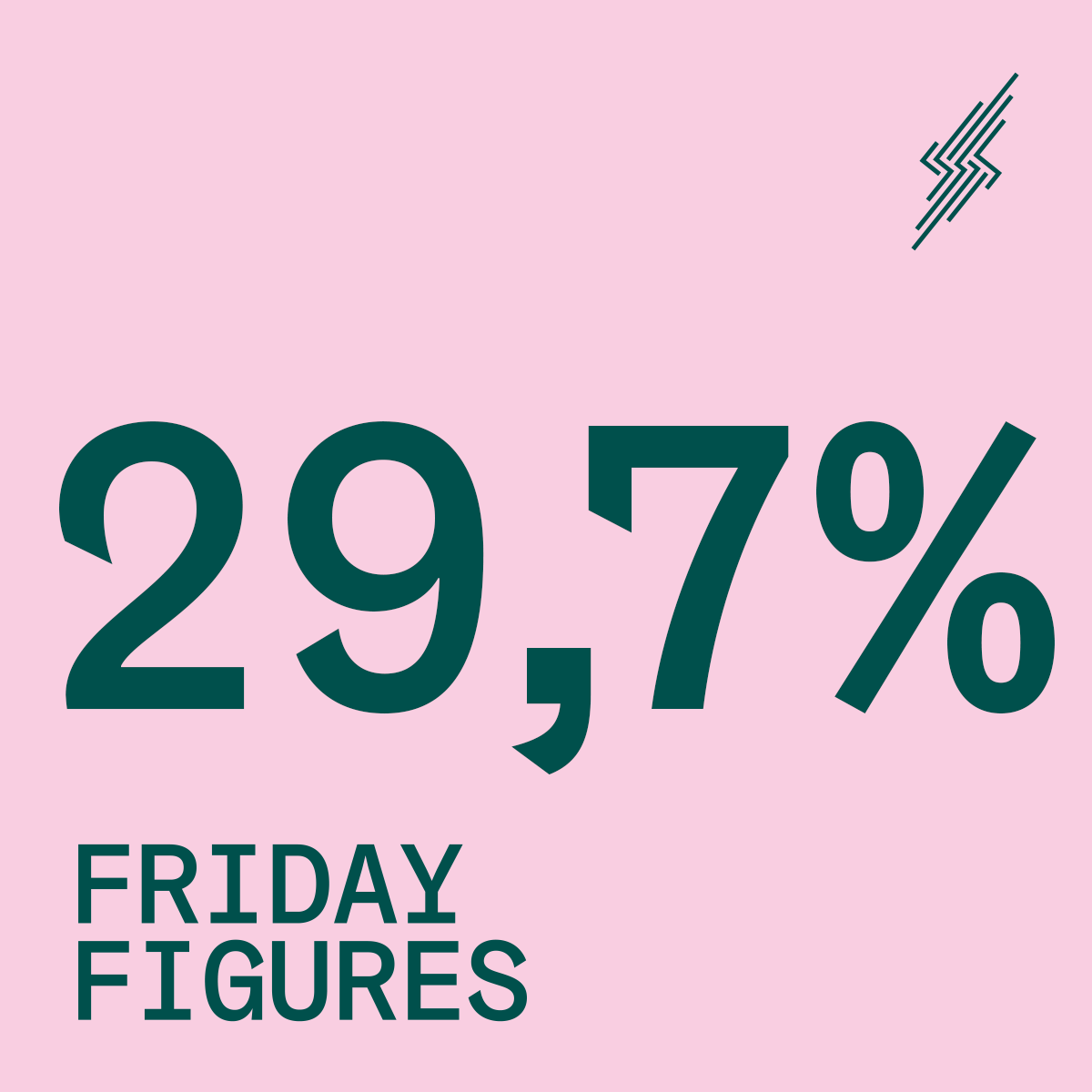
Around 30% of respondents have considered leaving the music industry in the past 12 months. This tendency is higher among women (35.8%), people with a migrant background (37.6%), and individuals with disabilities (40.5%). Among men, the figure is 26.5%.
The main reasons cited for wanting to leave are economic insecurity (65.4%), a lack of career opportunities (35.9%), and experiences of discrimination or exclusion (24.4%).
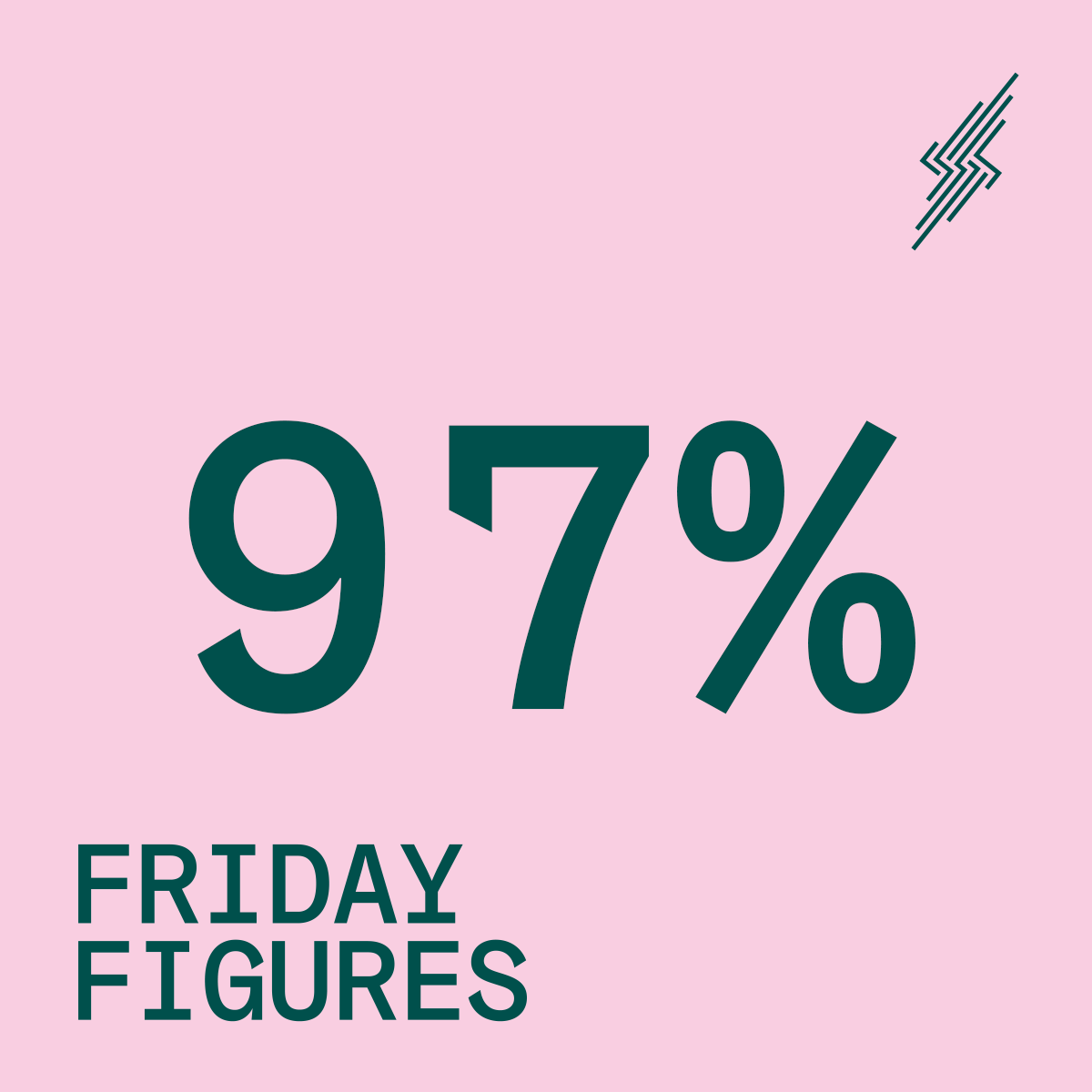
Evaluation results show that 97% of participants experienced a positive impact on their careers—with 77% describing it as significant—while complementary data across programme modules confirm consistent growth in leadership, strategy, and self-management competencies.
Read MoreYet, online hate speech and harassment create a hostile digital environment for LGBTIQ+ people, affecting their safety, well-being and freedom of expression and contributing to a climate of fear and exclusion.
Read More53% of the surveyed music festivals stated that they pay attention to a gender-balanced distribution across their entire music program.
Read MoreParents and carers are underrepresented in the music industry: 29% of people in the music industry have caring responsibilities, compared with 44% of the UK population.
Read MoreOnly two out of 10 shows at Latin America's largest festivals featured women as solo artists or in all-female bands.
Read MoreAlmost a quarter of LGBTQ+ musicians reported discrimination as a barrier. Over a third (37%) have experienced or witnessed discrimination based on sexuality whilst working as a musician, yet only 27% reported it.
Read MoreTaiwan leads as the country with the smallest gender gap among solo artists—29% more men than women
Read More40% of female musicians have experienced exclusion, harassment, or censorship due to their stage personas
Read MoreWith festival season in full swing, we’re taking a closer look at the current festival landscape. I
Read MoreThe first analysis examined the top role at 37 major and independent companies (e.g., CEOs, Presidents).
Read More41% of board members across LIVE and its members associations are Women and/or non-binary people.
Read MoreThe latest findings from the first ever UK Musicians’ Census reveal that almost a third of professional musicians in the UK (30%) are experiencing poor mental wellbeing.
Read More