

In this instalment of the series, we are in conversation with Iranian musician Faravaz.
In a powerful and intimate video interview, Faravaz speaks with host Anna Dushime about growing up as a woman in Iran, where her voice and visibility were treated as provocation, and about being forced into exile for singing in public. She reflects on a life shaped by control, shame and silencing, and on the ongoing process of reclaiming agency through music. This conversation comes at a timely moment given the current political climate and protests in Iran against the Islamic Republic government’s regime, a deepening economic crisis and exacerbation of the continued erosion of women’s and human rights. This also further calls into question the problematic calls for western-intervention and its imperialist interests.
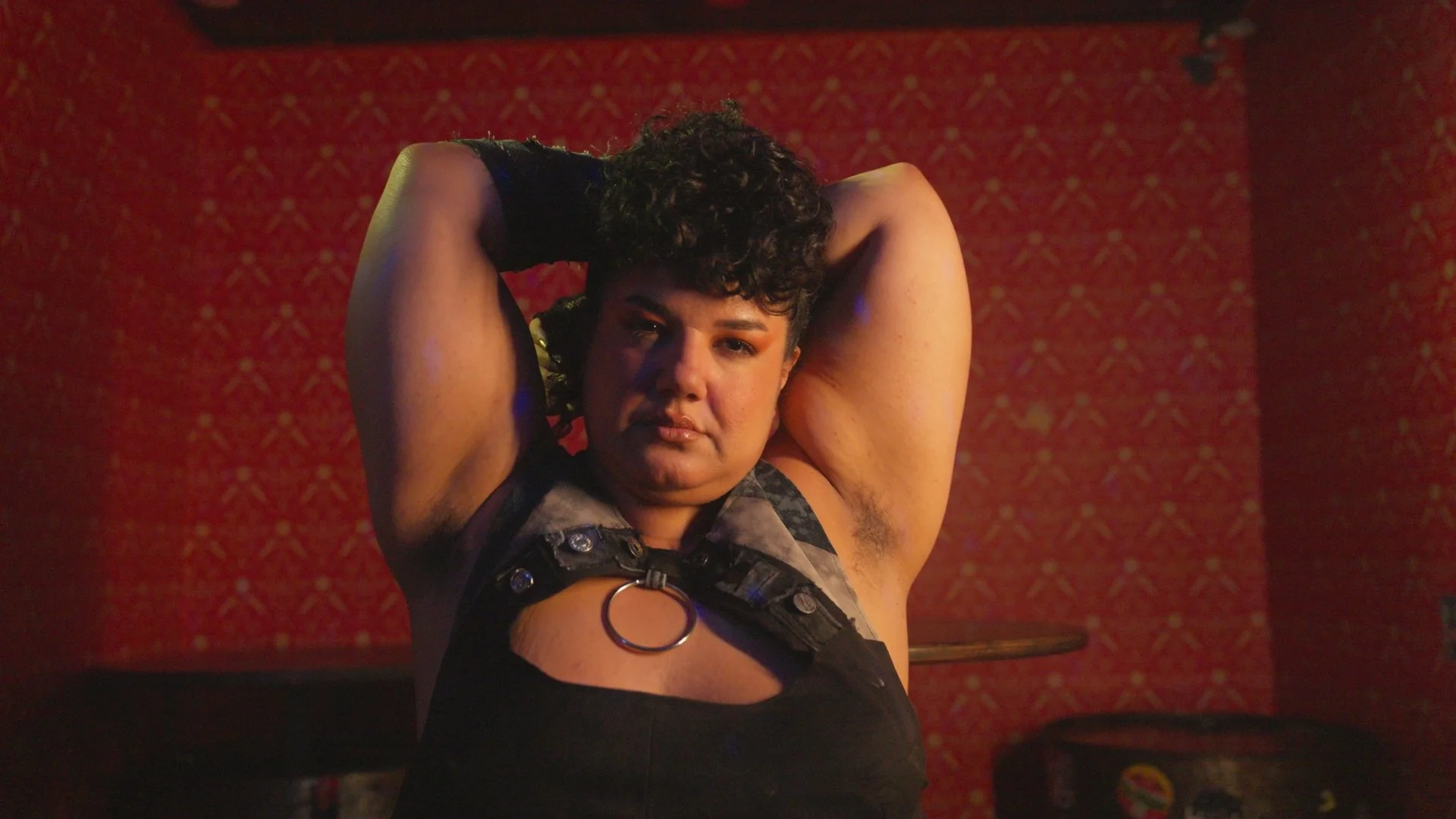
Together, Anna and Faravaz explore music as a form of feminist expression, the transformation of pain, anger and everyday emotions into art, and the freedom that comes with finally being heard. Faravaz also opens up about her creative process, self-worth and the liberating power of provocation — from embracing her body without apology to using humor, kink and playfulness as tools of feminist resistance. At the heart of the conversation is music as a space where Faravaz can say what she once needed to hear herself.
Faravaz & Anna Dushime on Womanhood and Art as Defiance
What does it mean to grow up as a woman in a country where your very existence is seen as a provocation and to raise your voice anyway?
Quotes host Anna Dushime speaks with Iranian musician Faravaz, who was forced into exile for singing in public. In this Quotes episode Faravaz shares her experiences of a life shaped by control, shame, and self-denial, and reclaiming visibility.
Together with Anna, she reflects on music as a form of feminist expression, on the power of transforming pain and anger into art, and on the freedom that comes with finally being heard.

Interested in the other International Perspectives?
Keychange spotlights diverse voices across the globe, featuring individuals, artists, collectives and initiatives to explore how the music world sits within their contexts.